
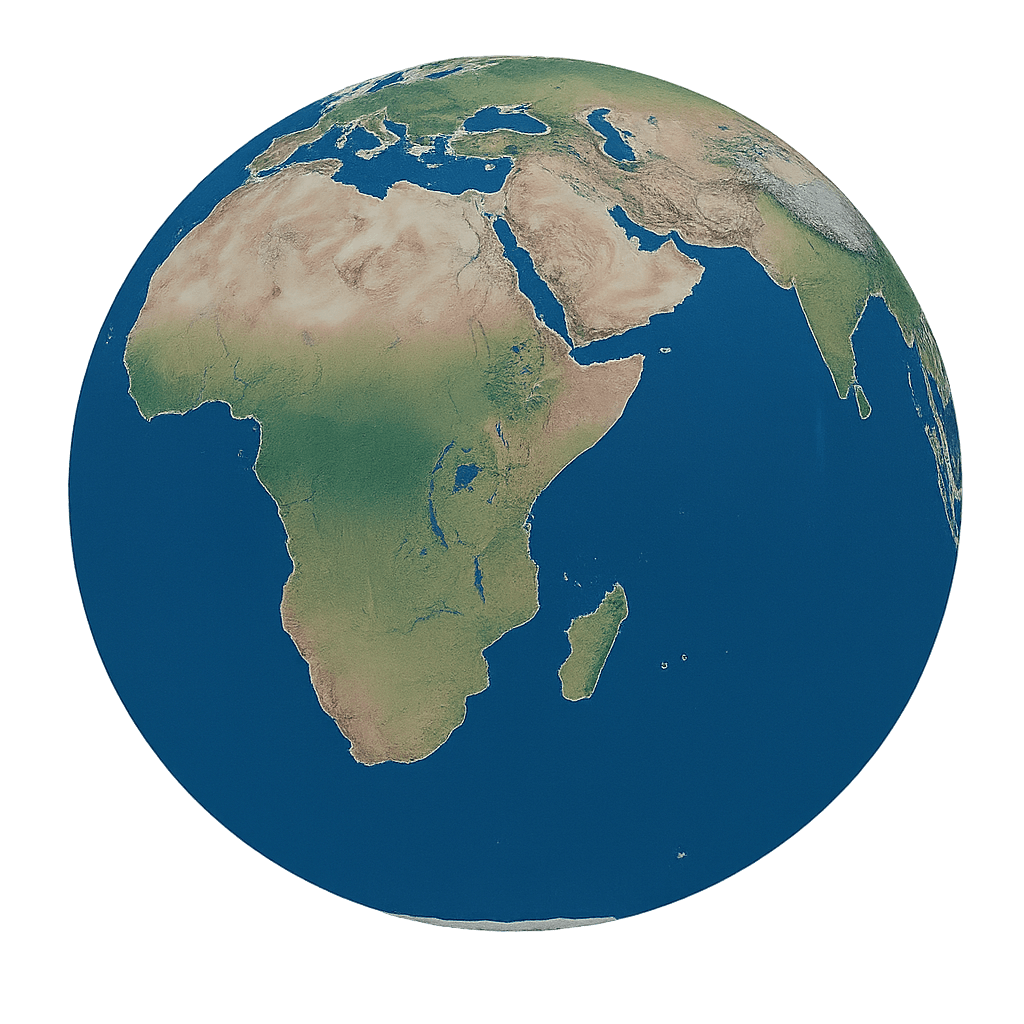
Weather Alert: A tropical depression over the southwest Arabian Sea could approach Somalia’s coast on October 22, bringing heavy rain and thunderstorms. Forecasters warn that intense downpours could trigger flash flooding. El Niño Preparedness: Somalia’s disaster agency met with the UN’s FAO and Norwegian representatives to strengthen early warnings, coordinated action and funding for flood and other climate risks. Forecasting: Somalia’s Upper House has approved a bill to establish a national weather forecasting agency. Food Security: Save the Children says only 31% of the roughly $10 billion sought for food, nutrition, health and water programmes in crisis-hit countries, including Somalia, had been received by early October; El Niño could deepen hunger. Water Security: A Somali agricultural professionals’ analysis warns that upstream changes in the Juba basin could affect Somalia’s water future, and calls for greater focus on floodwater harvesting and water governance.
AGP Executive Report
Your go-to archive of top headlines, summarized for quick and easy reading.
Note: AI summary from news headlines; neutral sources weighted more to help reduce bias in the result. Feedback is welcome. Please let us know if you have any comments or suggestions about the AGP Executive Report.
El Niño Readiness: Somalia’s disaster agency is coordinating with the UN’s Food and Agriculture Organization and Norway on early warnings and action ahead of possible El Niño floods. Somalia’s Upper House has also approved a bill for a national weather forecasting agency. Weather Watch: India’s meteorological department says a low-pressure system over the southwest Arabian Sea may move toward Somalia later this week, adding to concerns as the rainy season approaches. Food and Water Security: Save the Children says only 31% of the funding sought for food, health, water and sanitation programmes in high-need countries, including Somalia, had arrived by early October; it warns El Niño could deepen hunger. River Governance: A Somali agricultural professionals’ analysis warns that upstream development in the Juba basin could affect downstream water security, urging stronger water governance and investment in flood harvesting. Blue Economy: Somalia and Türkiye have discussed investment and sustainable management of fisheries and other marine resources.
Coastal Weather: A low-pressure system over the Arabian Sea is expected to move toward Somalia, with rough to very rough seas and strong winds forecast along the north coast through October 23. Flood Preparedness: Somalia and UN officials have discussed readiness for heavy rain and El Niño-related flooding, while a Mogadishu volunteer is raising awareness street by street. The Upper House has also approved a bill to establish a national weather forecasting agency. Blue Economy: Somalia and Türkiye are exploring cooperation on fisheries and sustainable use of marine resources. Somalia also joined regional partners at the Nairobi Convention’s COP12, which agreed on measures to protect and sustainably manage the Western Indian Ocean.
Coastal Weather: A low-pressure system over the southwest Arabian Sea may strengthen and track toward Somalia, with rough seas and winds of up to 60 km/h forecast along and off the north coast through October 23. Flood Readiness: With El Niño raising fears of severe rains and flooding, a Mogadishu volunteer is using a megaphone and street outreach to warn residents. Somalia’s Upper House has also approved a bill to establish a national weather forecasting agency. Water Security: Somali agricultural professionals warn that upstream changes to shared rivers could threaten the country’s water and farming prospects, and call for greater focus on floodwater harvesting and stronger water governance. Marine Resources: Somalia and Türkiye have discussed cooperation on fisheries and the blue economy, including investment and sustainable management of Somalia’s coastal resources.

Weather Preparedness: Somalia’s Upper House has approved a bill to establish a national weather forecasting agency, a step toward stronger forecasting and international climate cooperation. Flood Risk: Somalia’s disaster agency and UN officials are coordinating early warnings and emergency response as heavy rains and a strengthening El Niño raise concerns about river flooding and displacement. Regional forecasts point to a high chance of above-average rain in central and southern Somalia, while aid agencies warn that preparedness and supplies need to be in place before the rains intensify. Pastoralists: Recent rains have improved pasture and livestock conditions in Middle Shabelle, allowing some families to begin repaying drought debts, but the coming season could bring fresh hardship.
Weather Forecasting: Somalia’s Upper House approved a bill creating a national weather agency, a step toward stronger forecasting and international meteorological cooperation. Flood Preparedness: Somalia and UN officials discussed early warnings and emergency response as forecasts point to a 90% chance of above-average rain in central and southern Somalia, raising river-flood risks. Pastoral Livelihoods: Recent rains have improved pasture and water in Middle Shabelle, helping some families sell livestock and repay debts built up during years of drought.
Flood Preparedness: Somalia’s disaster agency and UN officials are strengthening early warnings and emergency coordination as rising river levels and forecast heavy rains raise flood concerns. They warned flooding could displace families and disrupt aid, while fighting in Buurhakaba may further impede relief. El Niño Risks: A strengthening El Niño could bring above-normal rain to central and southern Somalia, but forecasts remain uncertain. Health experts say timely warnings can help clinics prepare for disease risks and protect communities. Pastoralist Recovery: Recent rains have improved pasture and livestock condition in Middle Shabelle, helping some families sell goats and repay debts built up during years of drought—though renewed climate shocks threaten fragile gains.
Pastoral Recovery: Recent rains have restored pasture and water in Middle Shabelle, helping pastoralists sell healthier livestock and repay debts built up during three years of drought. Flood Preparedness: Somalia’s disaster agency and UN officials are strengthening early warnings and emergency plans as heavy rain and rising river levels raise flood concerns. Forecasts point to above-normal rain in central and southern Somalia, while communities remain vulnerable to hunger and displacement. Climate and Food Security: The strengthening El Niño could bring severe floods even as drought-related hardship lingers, putting crops, livestock and household food supplies at risk.
Flood Preparedness: Somalia’s disaster agency and UN officials met on 16 October as river levels rise and heavy rains linked to a developing Super El Niño threaten flooding. They discussed early warnings, emergency response and aid coordination, with concern that fighting near Buurhakaba could also disrupt relief. Health Risks: Forecasters give a 90% chance of above-normal rains in central and southern Somalia. Experts say clinics need timely forecasts and supplies to prepare for flood-related disease; recent heavy rain has already flooded parts of Mogadishu and damaged health facilities. Transport Disruptions: Maersk warns that flooding and road damage could delay cargo across East Africa through December, including in Somalia, disrupting port access and supply chains. Food Insecurity: Somalia remains among the countries facing the most severe hunger, while a World Vision report finds basic food is unaffordable for many households. Further weather shocks could deepen pressure on families already at risk.
Flood Preparedness: Somalia’s disaster agency and UN officials are strengthening early warnings and emergency coordination as rising river levels and heavy rain linked to a strengthening El Niño raise flood risks. Heavy rain has already flooded parts of Mogadishu and damaged health facilities; further flooding could displace families and disrupt aid, including in areas affected by fighting. Rain and Trade Risks: Forecasters see a 90% chance of above-normal October–December rainfall in central and southern Somalia. Maersk warns that floods and damaged roads could delay cargo and disrupt access to ports and depots through December. Food Security: Somalia remains among countries facing alarming hunger levels, and climate shocks threaten crops and livelihoods, adding to pressure on families already struggling to access food.
El Niño and Flood Risk: Heavy rain has already flooded parts of Mogadishu and damaged health facilities, while forecasters see a 90% chance of above-average rain across central and southern Somalia through December. The Shabelle River is nearing flood-risk levels at Jowhar. The International Committee of the Red Cross warns that floods could destroy crops and deepen hunger, with displacement camps especially exposed. Hunger Emergency: Somalia is among the countries ranked at the most alarming level of hunger in the 2026 Global Hunger Index. A World Vision food-affordability report also lists Somalia among the countries where basic staples are least affordable, leaving families vulnerable as climate shocks threaten livelihoods. Transport Disruptions: Maersk warns that heavy rain and flooding could damage roads and disrupt cargo flows across East Africa through December, potentially delaying shipments to and from Somalia.
Flood Risk: Somalia faces a 90% chance of above-average rain in central and southern regions from October to December as El Niño strengthens. Flooding could threaten crops and homes along the Shabelle and Juba rivers, worsen hunger and put millions at risk, especially people in displacement camps. Trade Disruptions: Maersk warns heavy rain and local flooding could damage roads and delay cargo moving through East African ports, with shipment delays possible through December. Marine Conservation: Somalia joined regional talks in Tanzania on protecting marine ecosystems and tackling climate change.
Hunger and Climate: A World Food Day appeal warns that climate impacts are worsening child hunger; it highlights a Somali mother whose two-year-old twins have known little but hunger. El Niño Alert: El Niño is strengthening, with forecasters giving a 90% chance of heavier-than-usual rain in central and southern Somalia from October to December. Flooding could destroy crops and deepen food shortages. Flood Preparations: Communities along the Shabelle and Juba rivers fear flooded farms and displacement, recalling the 2023 floods that affected nearly two million people. Aid groups are preparing, while families in displacement camps face particular risks from heavy rain and poor sanitation. Marine Conservation: Somalia joined regional talks in Tanzania on protecting marine ecosystems and addressing climate change.
El Niño Flood Risk: Somalia faces renewed flood threats as El Niño strengthens, with heavy October–December rains forecast. Shabelle and Juba communities fear rivers bursting their banks; near Jowhar, the Shabelle is nearing flood-risk levels. Farmers must choose between planting and risking crops to floods, or leaving fields bare. Hunger and Drought: The flood warnings come after years of poor rains, crop failures and livestock losses. WFP says more than 13 million people across Somalia, Ethiopia and Kenya face severe hunger, while aid agencies warn floods could deepen food shortages and displace families. The 2023 floods affected nearly two million people and displaced more than 500,000 in Somalia. Marine Conservation: Somalia joined regional talks at the Nairobi Convention’s COP12 in Tanzania, focused on marine conservation and climate change.
Flood Warning: Somalia faces potentially destructive El Niño-enhanced rains from October to December. Farmers near Jowhar must choose between planting and risking flood losses or leaving fields idle, while communities along the Shabelle and Juba fear riverbanks could burst. The 2023 floods affected nearly two million people and displaced more than 500,000; informal settlements remain especially exposed. Hunger and Drought: WFP warns that more than 13 million people across Ethiopia, Kenya and Somalia face severe hunger as drought, crop failures and livestock deaths erode livelihoods. The threat of heavy rains now adds fresh uncertainty for families already struggling to recover. Marine Protection: Somalia joined regional talks in Tanzania on conserving the western Indian Ocean, with countries backing action on plastic pollution and plans to prepare for major marine pollution incidents.**
Drought and Hunger: More than 13 million people in Ethiopia, Kenya and Somalia face severe hunger as drought follows three failed rainy seasons. The World Food Programme warns that crop losses and livestock deaths are worsening hardship and displacement. Flood Risk: Heavy rains and rising Shabelle River levels threaten communities near Jowhar, where floods could destroy crops and homes. Millions in Somalia, including people living in displacement camps, may face further hardship as El Niño-related rains loom. Marine Conservation: Somalia joined regional talks under the Nairobi Convention, where 10 countries backed plans to curb ocean pollution, protect marine life and strengthen responses to major pollution incidents.
Flood Watch: Somalia’s Shabelle River is nearing flood-risk levels at Jowhar, with heavy rain forecast across the country. Marine Protection: Somalia joined regional talks in Tanzania that adopted plans to tackle plastic pollution, prepare for marine pollution emergencies and protect mangroves, seagrass and other coastal habitats. El Niño Preparedness: A potentially powerful 2026–27 El Niño could bring damaging floods and droughts across the region. UNICEF warns that climate shocks could disrupt children’s access to water, food, health care and education, underscoring the need for early action. Climate and Migration: The IOM says climate impacts, alongside poverty and insecurity, are among the pressures driving dangerous journeys across the Bab el-Mandeb, where a recent boat disaster killed at least 139 people.
Marine Protection: Somalia joined nine other countries in adopting 15 regional decisions to tackle ocean pollution and protect marine life, including plans on plastics, mangroves and seagrass. Flood Watch: The Shabelle River at Jowhar rose to 4.70 metres, just 30 centimetres below the moderate flood-risk threshold. Forecasts call for more rain across Somalia and the Ethiopian highlands that feed its rivers. El Niño Preparedness: The coming season could bring unusually wet or dry conditions across the region. UNICEF warns that the 2026–27 El Niño may expose 347 million children worldwide to heightened risks, while forecasters urge early action to limit harm. Climate and Migration: The IOM linked worsening climate impacts, alongside poverty and insecurity, to migration along the perilous Djibouti–Yemen route, where a boat sinking left 139 people dead and 84 missing.
Climate-linked migration: At least 139 people died and 84 remain missing after an overcrowded boat sank off Djibouti on its way to Yemen. The IOM says poverty, insecurity and climate impacts are among the pressures driving people onto the dangerous route. Flood risk: Somalia’s Shabelle River at Jowhar rose 2.22 metres in a week, reaching 4.70 metres — just below the 5-metre moderate flood-risk threshold. Heavy rain is forecast across parts of Somalia and the Ethiopian highlands, heightening concern as the Deyr season begins. Coastal protection: Somalia joined regional talks at the Nairobi Convention’s COP12, where countries adopted plans to tackle plastic pollution and strengthen protection of mangroves, seagrass and other critical coastal habitats.
Flood Watch: The Shabelle River at Jowhar has risen to 4.70 metres, just 30 centimetres below the moderate flood-risk threshold. Forecasts call for further rain across Somalia and the Ethiopian highlands, as the Deyr season begins amid El Niño concerns. El Niño Preparedness: A potentially powerful 2026–27 El Niño could bring floods and drought, threatening food security and essential services. Early action, including releasing aid when forecasts signal danger, will be critical. Marine Conservation: At COP12 in Tanzania, Somalia joined regional efforts to protect Western Indian Ocean coasts. Delegates adopted plans targeting plastic pollution and strengthening protection for mangroves, seagrass and critical habitats.
Sign up for:
Somalia Environment Today
The daily local news briefing you can trust. Every day. Subscribe now.
Check Your Email!
We sent a one-time activation link to: .
Confirm it's you by clicking the email link.
If the email is not in your inbox, check spam or try again.
Welcome back!
is already signed up. Check your inbox for updates.